Growers face ongoing pressure to produce high-quality crops while meeting evolving consumer demands for sustainably grown products. The Organic Materials Review Institute (OMRI) certification has emerged as a gold standard for identifying materials that support both exceptional crop performance and environmental responsibility.
Decoding OMRI Certification
The OMRI certification process is far more than a marketing label – it is a rigorous evaluation system that ensures materials meet strict standards for organic production.
Using the USDA National Organic Program standards, OMRI reviews each ingredient, examining the source materials, the processing methods, handling procedures, and potential impacts on soil health and plant development.
This comprehensive evaluation process means that OMRI-listed ingredients have been extensively scrutinized to verify they support natural plant processes and growth without introducing synthetic chemicals, harmful residues, or disruptive additives.
The OMRI certification process also considers the long-term environmental impact of reviewed materials, ensuring that certified ingredients contribute to sustainable growing practices rather than depleting natural resources.
The Science Behind OMRI-Listed Propagation Success
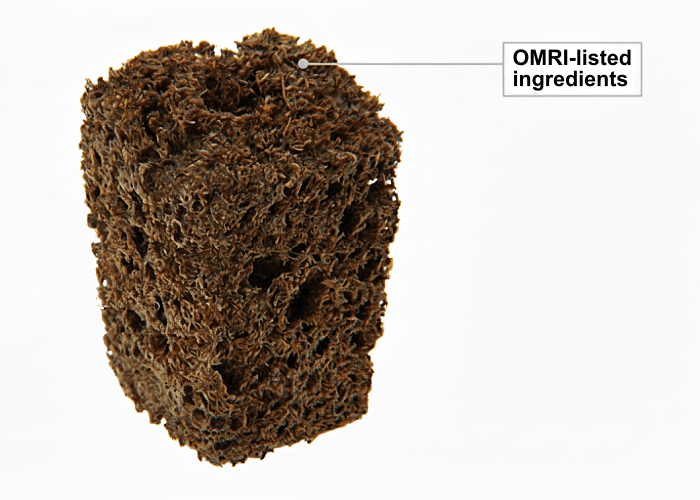
OMRI-listed ingredients work well for propagation because, like IHORT’s Q and Excel Plugs, they support the complex biological and chemical processes essential for successful plant establishment.
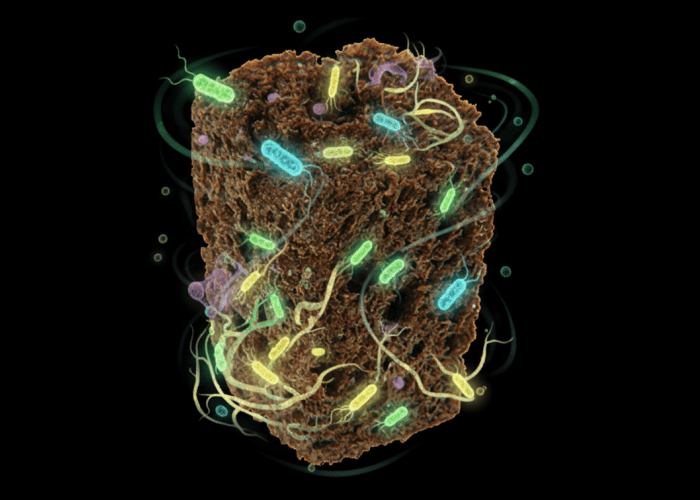
The biological activity present in OMRI-listed ingredients creates a living environment around developing roots and stems—just like IHORT’s Q and Excel Plugs. The beneficial microorganisms in these propagation materials create symbiotic relationships with the roots of young plants. These relationships enhance the efficiency of nutrient uptake and provide natural protection against pathogens.
This biological partnership becomes particularly important during propagation when plants are establishing their foundational root systems and immune responses.
There are also distinct advantages in the chemical composition of OMRI-listed materials that help propagation success. These ingredients typically contain complex organic compounds that break down gradually, providing slow-release nutrition that matches the slow, steady growth patterns of plants.
This contrasts sharply with synthetic materials that may provide intense but short-lived nutrient availability, potentially stressing young plants or encouraging weak, rapid growth.
Economic Advantages of OMRI Certification
While OMRI-listed ingredients may carry higher initial costs compared to synthetic alternatives, the total economic impact typically favors organic materials through multiple value streams. Higher propagation success rates directly reduce the cost per successful plant by minimizing losses and improving the efficiency of expensive propagation space, labor, and genetic materials.
The premium market positioning available to crops grown with OMRI-listed materials creates additional revenue opportunities. Consumers increasingly seek products grown with certified organic inputs, allowing growers to command higher prices for crops that can demonstrate organic compliance from propagation through harvest. This premium pricing often more than compensates for any additional input costs.
Reduced input requirements for pest and disease management also contribute to improved economic performance. The natural disease suppression and plant-strengthening effects of OMRI-listed ingredients typically reduce the need for synthetic pesticides and fungicides, lowering chemical costs while reducing regulatory compliance burden and application labor requirements.
Quality Assurance and Traceability
The documentation requirements for maintaining OMRI certification create detailed records of material sources, processing methods, and quality control procedures. This provides exceptional traceability and quality assurance, especially valuable in today’s regulated production environment.
This traceability extends through the entire supply chain, allowing growers to provide detailed documentation of their propagation inputs for organic certification bodies, regulatory agencies, and customers. Demonstrating your organic compliance in all stages of production reduces compliance risks and strengthens market positioning.
OMRI certification isn’t a “one and done” situation. Since standards and regulations continuously evolve, OMRI-listed materials are regularly re-evaluated to ensure they maintain compliance. This ongoing oversight ensures certified ingredients continue to meet regulatory requirements and customer expectations, reducing the risk of compliance failures.
Market Positioning
Being able to advertise the use of OMRI-listed propagation media is a decisive advantage in an increasingly environmentally conscious marketplace. Consumers actively seek products grown with certified organic inputs, and the ability to demonstrate organic compliance from propagation through harvest creates compelling value propositions for retail partners and end consumers.
Creating a Hybrid Approach with IHORT
OMRI-listed ingredients in propagation media represent far more than compliance with organic standards – they provide a comprehensive approach to sustainable, effective plant propagation.
Many successful growers combine OMRI-listed base ingredients with complimentary natural materials like Q and Excel Plugs to create customized propagation systems. These hybrid systems offer the best of both worlds by balancing performance, cost, and sustainability goals. By leveraging the benefits of both OMRI-listed ingredients and natural materials, growers can achieve optimal plant propagation results while maintaining a sustainable and cost-effective operation.
No matter your growing needs, the IHORT team is here to help! If you’re interested in creating a hybrid system or achieving the benefits of our premier propagation products, reach out to our team. We’ll help you reach your highest growth potential.