We believe that success in indoor growing often depends on the smallest details. Many growers fine-tune their lighting, nutrient mixes, and climate controls, yet overlook one key factor: the quality of their propagation media.
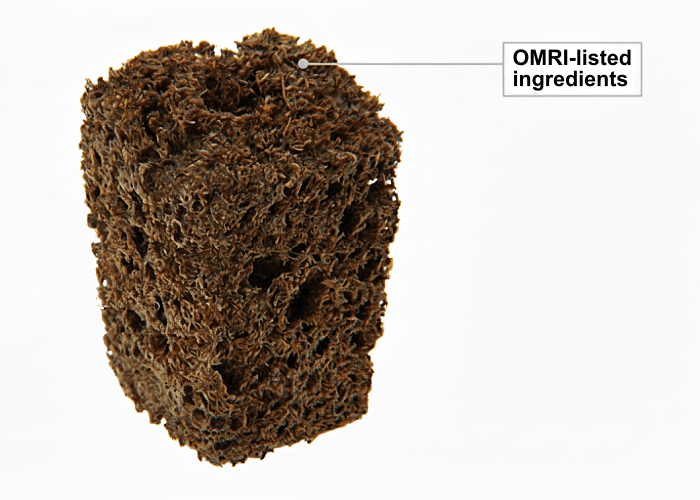
Disease prevention is a production-long process that begins when you propagate plants. Many growers don’t think about this, and unknowingly introduce pathogens by using poor-quality or contaminated growing media. By choosing clean, high-quality propagation media, such as IHORT’s Excel and Q Plugs, you are taking the first step—a crucial one—toward growing healthy, thriving plants.
The Hidden Threat in Your Propagation Room
Disease outbreaks that occur early on in a grow have significant economic impacts. A single batch of contaminated cuttings can result in losses that extend far beyond the loss of the immediate plants.
Failed propagation leads to:
- Delayed production schedules
- Increased labor costs
- Wasted (valuable) genetic material
- Potentially lost contracts with buyers expecting timely delivery
When you consider that failures during propagation can cascade through an entire production cycle, investing in clean, high-quality media like IHORT products becomes not only good practice, but also an essential business strategy.
Why Naturally Derived Media Offers Superior Disease Prevention
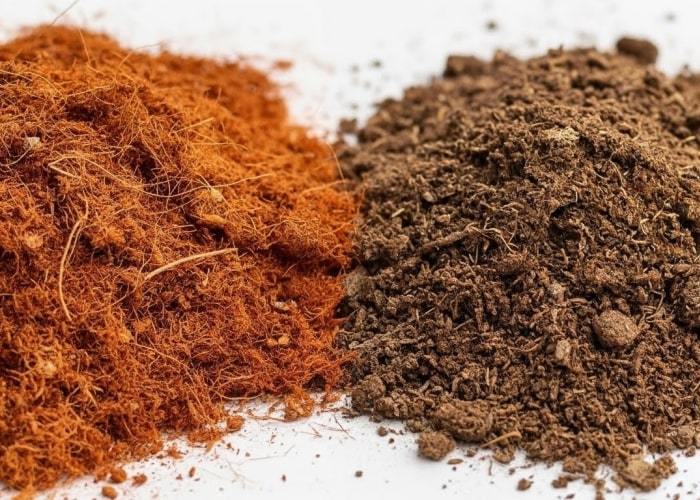
Naturally derived propagation substrates offer growers advantages that synthetic alternatives simply cannot match—quality substrates typically bring their own defensive mechanisms to the propagation environment.
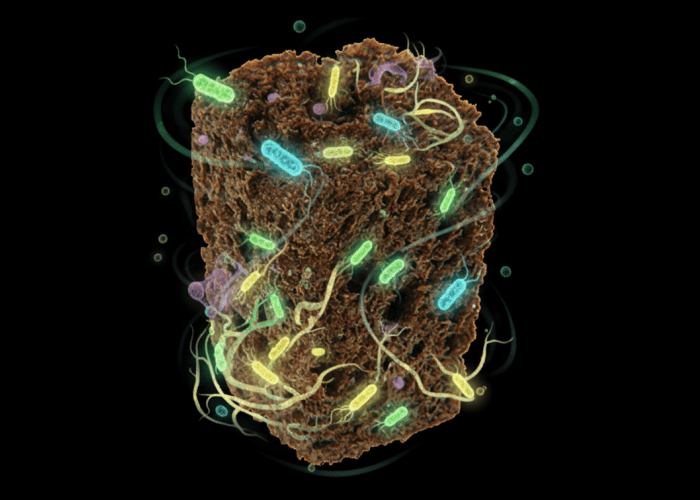
- Natural substrates often contain beneficial microorganisms that naturally defend against pathogenic threats. High-quality natural media, like Q and Excel Plugs, have a leg up over synthetic options, as IHORT products foster a competitive environment where beneficial microbes can outcompete harmful pathogens.
- Organic substrates typically offer superior drainage and aeration compared to dense synthetic materials. This environment is less conducive to anaerobic pathogens that thrive in waterlogged conditions. When cuttings and seedlings can access adequate oxygen in the root zone, root rot, damping-off, and other moisture-related diseases become significantly less likely to occur.
- Naturally derived media types often contain organic compounds that act as natural fungicides and bactericides. These compounds have evolved over millions of years, offering protection that synthetic materials cannot match.
The Synthetic Alternative Dilemma
Synthetic media, like foam blocks and spun wool, are attractive because of their price and convenience, but they often have hidden risks.
These manufactured materials often lack the natural antimicrobial properties found in high-quality organic substrates. They may even provide ideal breeding grounds for harmful microorganisms, posing a threat to entire crops.
Chemical residues may be introduced during the manufacturing processes that can stress young plants. These stressed plants become more susceptible to disease and environmental pressures.
Synthetic materials also lack the buffering capacity typically found in naturally derived substrates. pH fluctuations and nutrient imbalances can occur more rapidly and severely, creating additional stress, and weakening a plant’s immune system. When plants are fighting to maintain basic physiological functions in an unstable growing environment, they have fewer resources available to ward off disease pressure.
The disposal of synthetic propagation media presents another concern for environmentally conscious operations. Synthetic materials often require disposal in landfills, which adds to your operational costs and environmental impact. In contrast, naturally derived media can usually be composted or integrated into soil amendments.
Best Practices for Media Selection and Handling
When choosing the right propagation media, it’s critical to evaluate several factors beyond just disease prevention carefully.
First and foremost, look for suppliers who can provide detailed information about their processing methods, quality control procedures, and testing protocols. Reputable manufacturers regularly test their products for common pathogens and have certificates of analysis to prove cleanliness.
Once you’ve purchased high-quality natural media, how you store and handle it plays an equally essential role in maintaining its quality.
Poor storage conditions or improper handling procedures can contaminate even the cleanest propagation substrate.
Many successful operations maintain dedicated storage areas with environmental controls specifically for propagation supplies, treating these materials with the same care given to expensive nutrients or pesticides.
- Keep media in clean, dry environments away from potential contamination sources. Excessive heat or humidity can encourage microbial growth even in high-quality media.
- When working with your IHORT plugs, use clean tools and containers, and implement protocols that prevent cross-contamination.
Monitoring and Quality Assurance
Once you’ve chosen a clean propagation media, a regular monitoring program helps identify potential issues before they impact your crops.
Keep detailed records of media lot numbers and correlate them with propagation success rates. This data becomes invaluable for identifying patterns and making informed decisions about supplier relationships. If you notice declining success rates with specific batches, having detailed records allows you to identify and address problems quickly.
Reframing the Investment Perspective
When evaluating propagation media options, consider not only the initial purchase price, but also the ongoing costs associated with them. You also need to consider the total cost of ownership.
Purchasing naturally derived, high-quality IHORT media may initially be more expensive than buying synthetic alternatives. However, the reduced risk of crop losses and the long-term benefits of disease prevention provide a substantial return on your investment.
When looking at propagation media options, consider not only the initial purchase price, but also the total cost of ownership.
Look at the potential costs associated with a disease outbreak, including lost crops, delayed production, increased labor costs, and missed sales opportunities. This comprehensive analysis shows how investing in quality propagation media is one of the most cost-effective insurance policies available to commercial growers.
IHORT Protects Your Success
Our clean propagation media serves as the foundation for healthy plant production, protecting your investment from the ground up. By choosing naturally derived Q and Excel Plugs over synthetic options, you’re not just buying a growing medium – you’re investing in disease prevention, crop security, and long-term operational success.
In an industry where margins are often tight and competition is fierce, every advantage matters. Starting with clean, high-quality propagation media provides your crops with the best possible foundation for success, while protecting your investment from costly disease outbreaks.
When evaluating your options, remember that the question isn’t whether you can afford to use IHORT’s premium propagation media – it’s whether you can afford not to. The right propagation media is the foundation of your success, and IHORT’s Q and Excel Plugs are designed to protect your investment from the ground up.